Language disorders
Aphasia can affect expressive and receptive language skills, and sometimes reading and writing. We help improve these skills, manage symptoms, and develop strategies for more functional communication with others.
We help adults across Birmingham regain confidence in communication, voice, cognition, and swallowing, with compassionate, evidence-based care delivered in the comfort of your home.
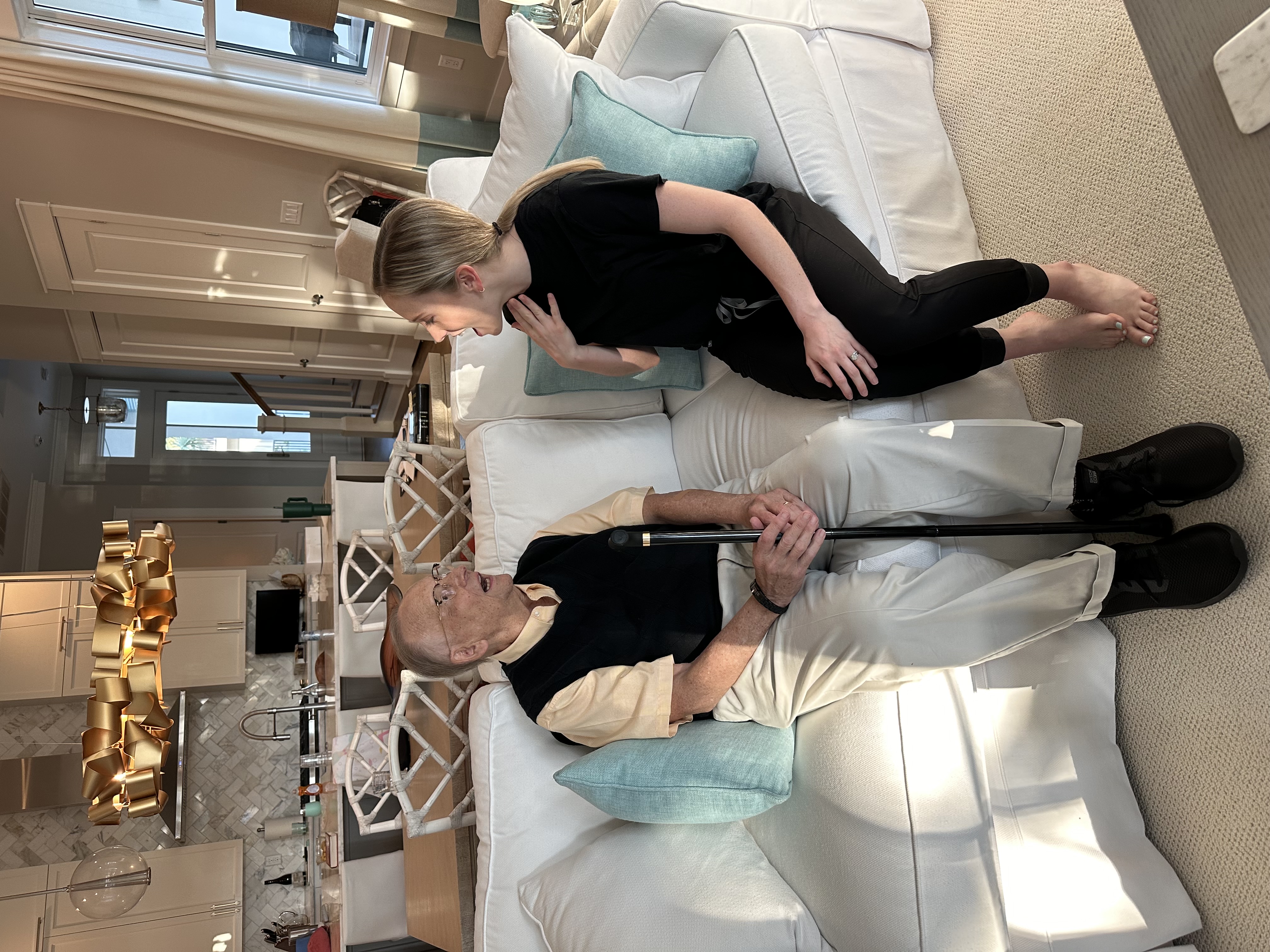
Aphasia can affect expressive and receptive language skills, and sometimes reading and writing. We help improve these skills, manage symptoms, and develop strategies for more functional communication with others.
Are you coughing or choking during mealtimes? We can identify swallowing impairment, help manage your diet, provide safe swallowing strategies, and teach effective exercises to improve swallow function.
If you have experienced changes in vocal quality, we provide vocal exercises, effective communication strategies, and education on vocal hygiene to improve your voice and functional communication.
This motor speech disorder can make it difficult to pronounce words correctly and significantly impact communication. We use targeted exercises to help you improve speech production and communicate more effectively.
Changes in memory, attention, or problem-solving after brain injury or neurological illness can affect daily life. We identify the severity of impairment and build a treatment plan that supports your everyday functioning.
Stuttering and other fluency differences can impact confidence and communication. We teach effective strategies and work with you to increase confidence in speaking across home, work, and community settings.
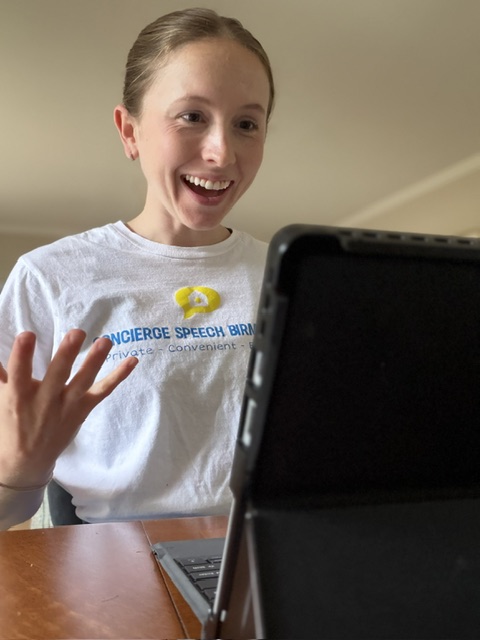
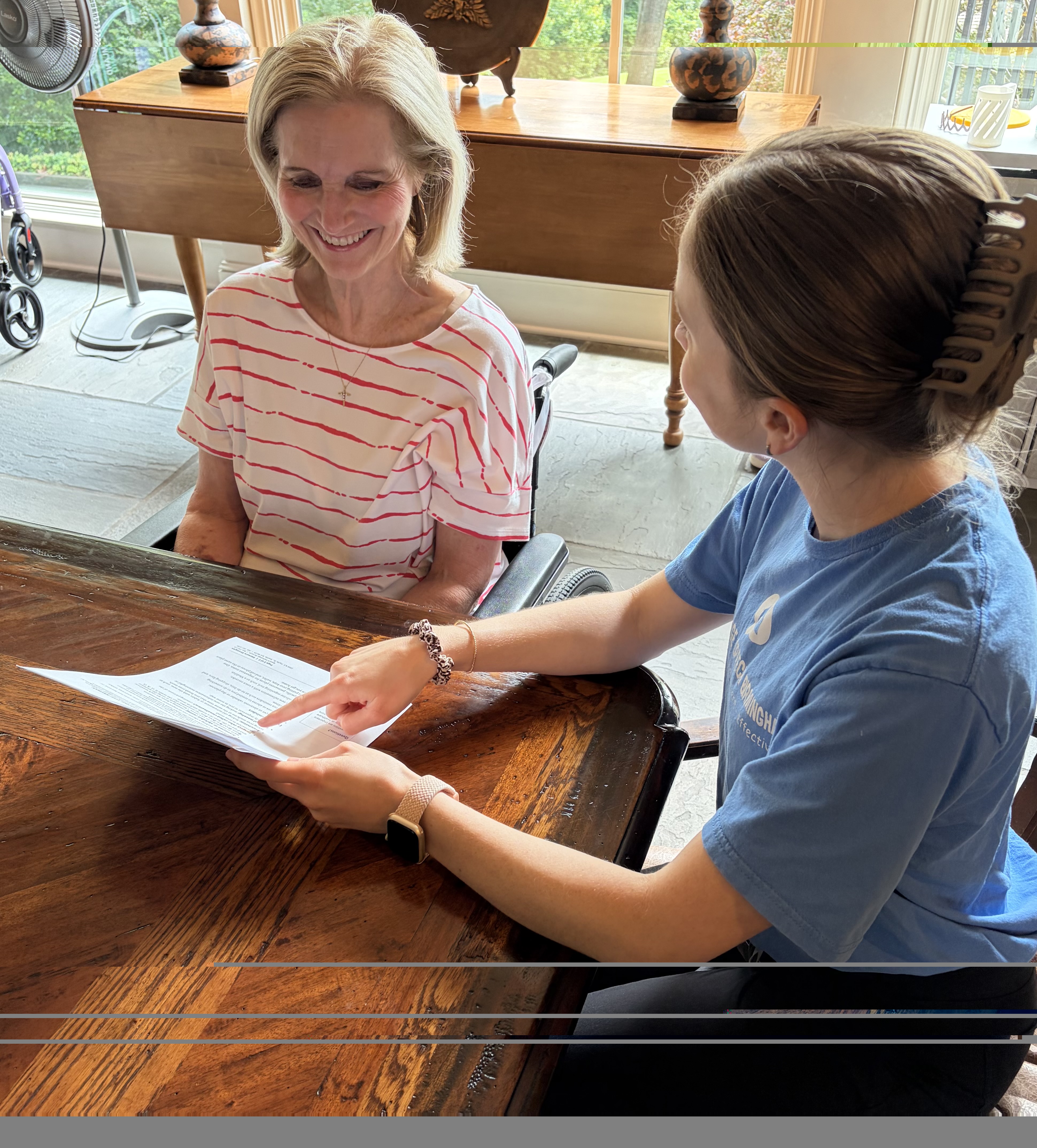
We work together to develop effective, personalized treatment plans that improve performance in areas of need while respecting your everyday life. Sessions are conducted in the comfort of your own home, so we address functional skills in the setting where they matter most. Virtual sessions are also available when appropriate for your goals and clinical needs.
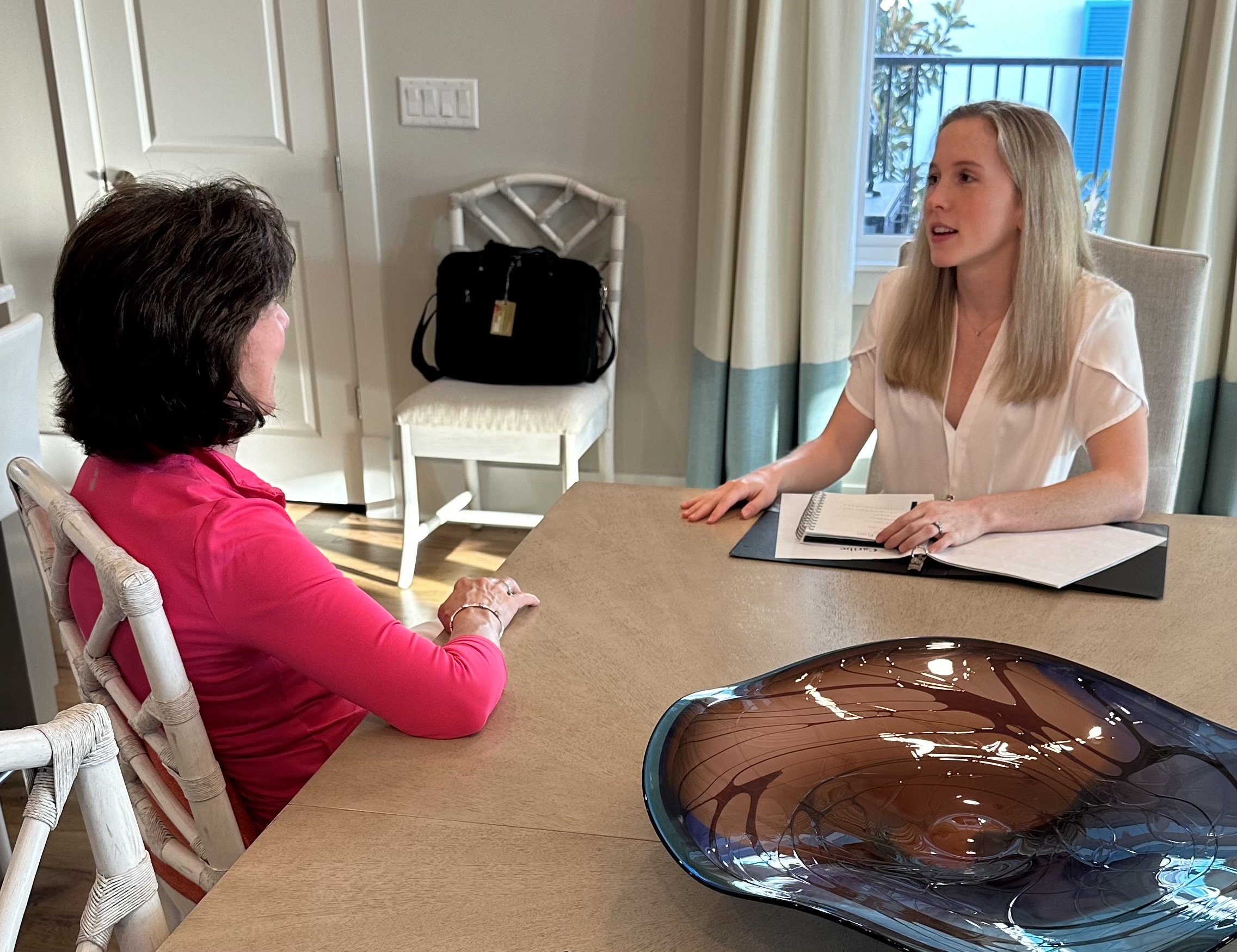
We prioritize caregiver involvement throughout the treatment process and believe it is a crucial part of recovery. Education is provided during or following each session, with shared weekly progress notes. We also offer caregiver coaching for more extensive education on how to support your loved one at home.
Learn about your loved one's diagnosis, goals, and how therapy supports recovery at home.
Receive practical strategies for mealtimes, communication, and daily routines between sessions.
Stay connected through progress updates and coaching when you need extra guidance.
Whether for yourself or a loved one, we are here to help you move forward with confidence.
Schedule Free Consultation