Autism
Your child may present with differences in how they communicate, connect with others, and experience the world around them. Every child brings their own strengths and interests that we build on in therapy.
Helpful information for parents and caregivers about communication development, common diagnoses, and when to reach out for support.
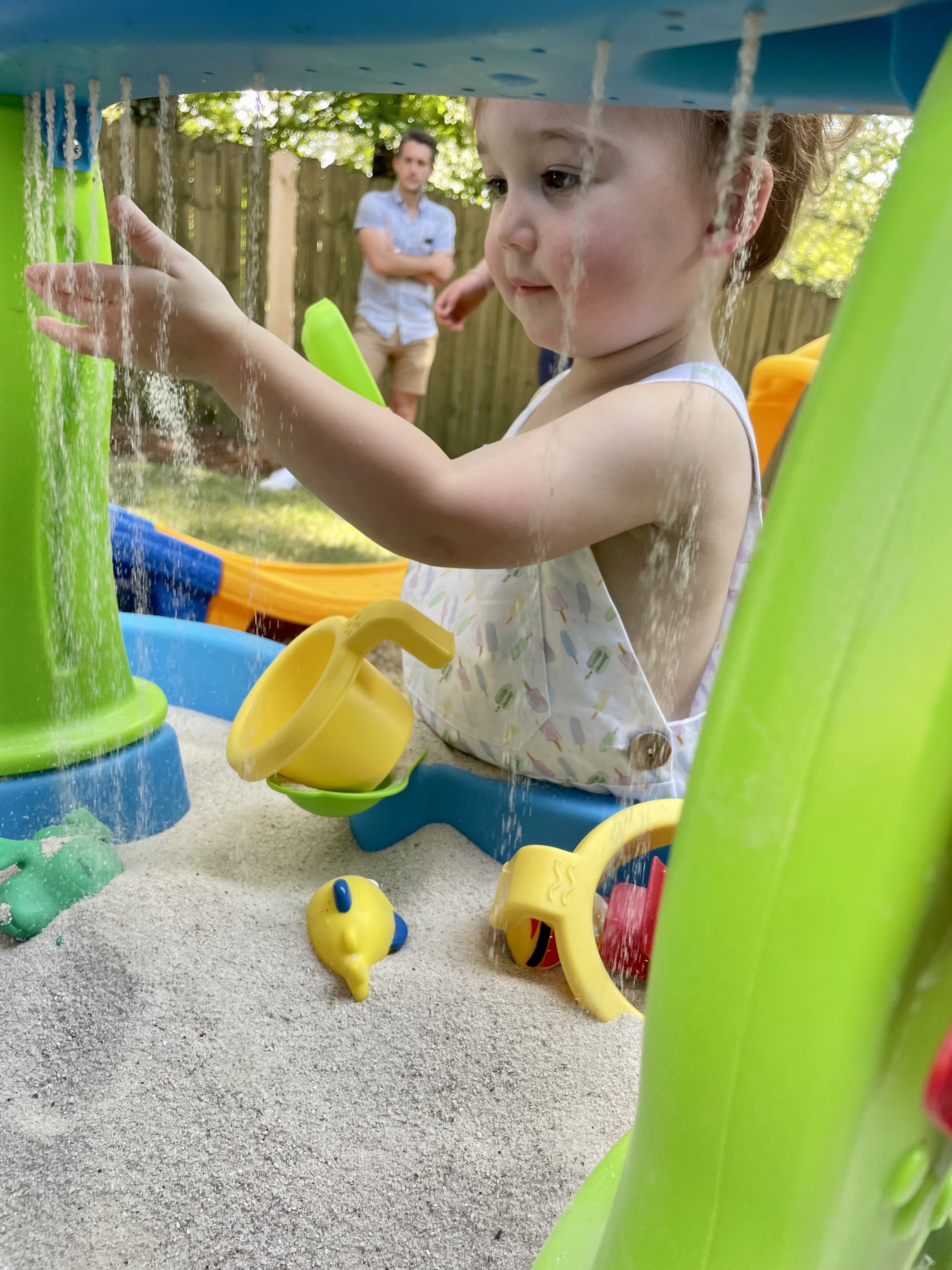
We provide speech and language therapy for children with many communication profiles, including:
Your child may present with differences in how they communicate, connect with others, and experience the world around them. Every child brings their own strengths and interests that we build on in therapy.
Often includes differences in speech clarity, language development, and social communication that vary from child to child.
Difficulty understanding or using spoken language, including vocabulary, grammar, and how language is used with others.
Difficulty producing age-appropriate speech sounds clearly, such as substitutions, omissions, or distortions.
Predictable speech sound patterns that simplify words and can make speech harder for others to understand.
A motor speech difference that affects planning and coordinating the movements needed for clear speech, often with inconsistent sound errors.
Challenges with skills such as planning, organization, working memory, flexible thinking, and self-regulation that may affect learning, communication, and everyday routines.
Disruptions in the flow of speech, such as repetitions, prolongations, or blocks, that can affect confidence when speaking.
Every child develops at their own pace. ASHA's milestones for birth through age 5 can help you understand what to expect and when to talk with a doctor or speech-language pathologist.
Consider an evaluation if you notice ongoing patterns like these:
You do not need to wait for a teacher or doctor to raise concerns first. Early support often leads to more efficient progress. If something feels off for several months, a free phone consultation can help you decide whether an evaluation makes sense.
Learn about our pediatric services or contact us to talk through your questions.
Schedule a free consultation to discuss your concerns and whether an evaluation is the right next step.
Schedule Free Consultation